

The Valencia Rules Nobody Tells You (Until Now): An Etiquette Guide for Expats
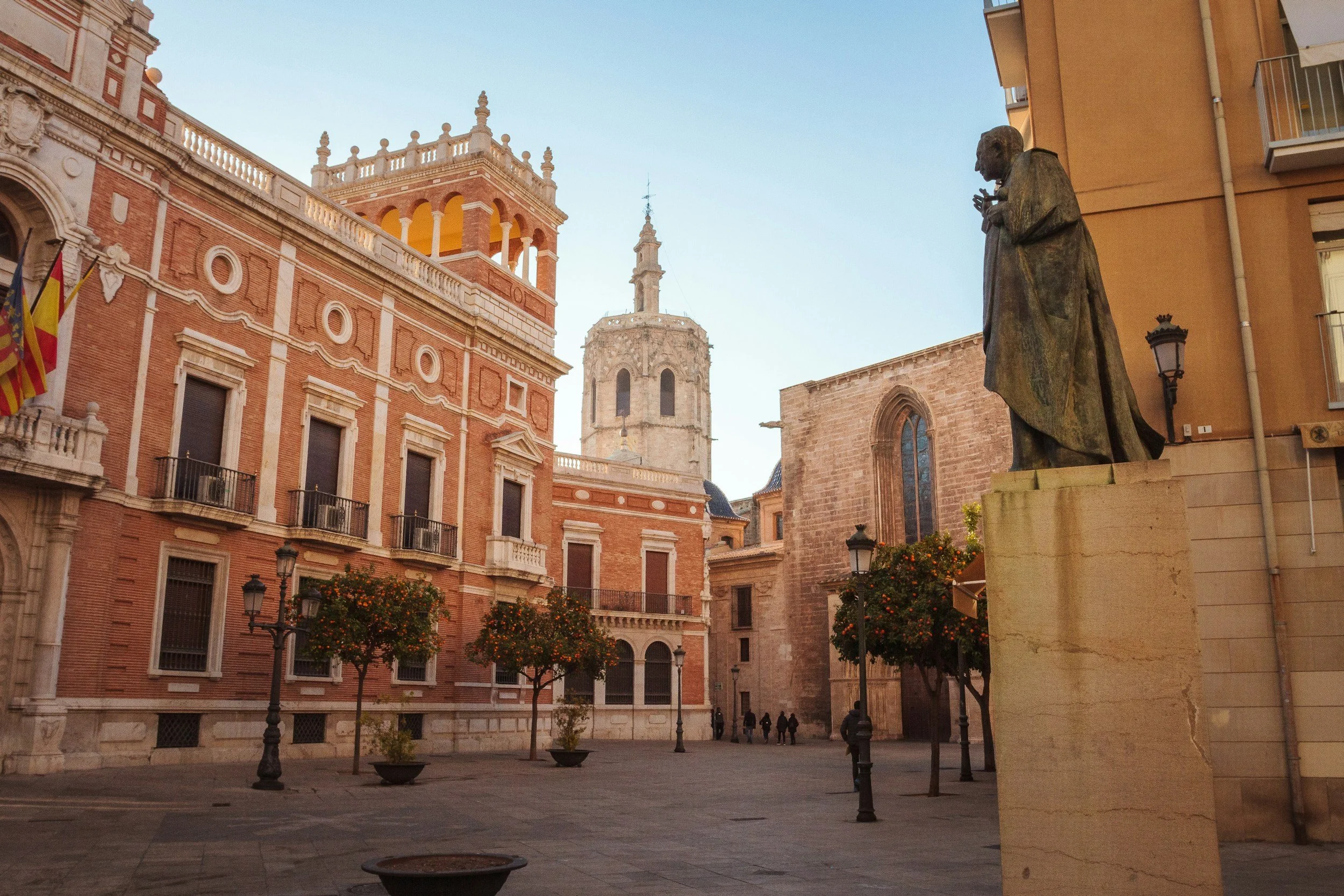
Every expat who moves to Valencia hits the same handful of moments of confusion in the first few months: not knowing when to kiss hello, wondering why nobody eats dinner before 9pm, or standing awkwardly at a Fallas bonfire unsure what's actually happening. None of it is complicated once someone explains it — but almost nobody does, which is why we put this guide together from years of walking newcomers through exactly this.
Greetings: warmer than you're used to, less formal than it looks
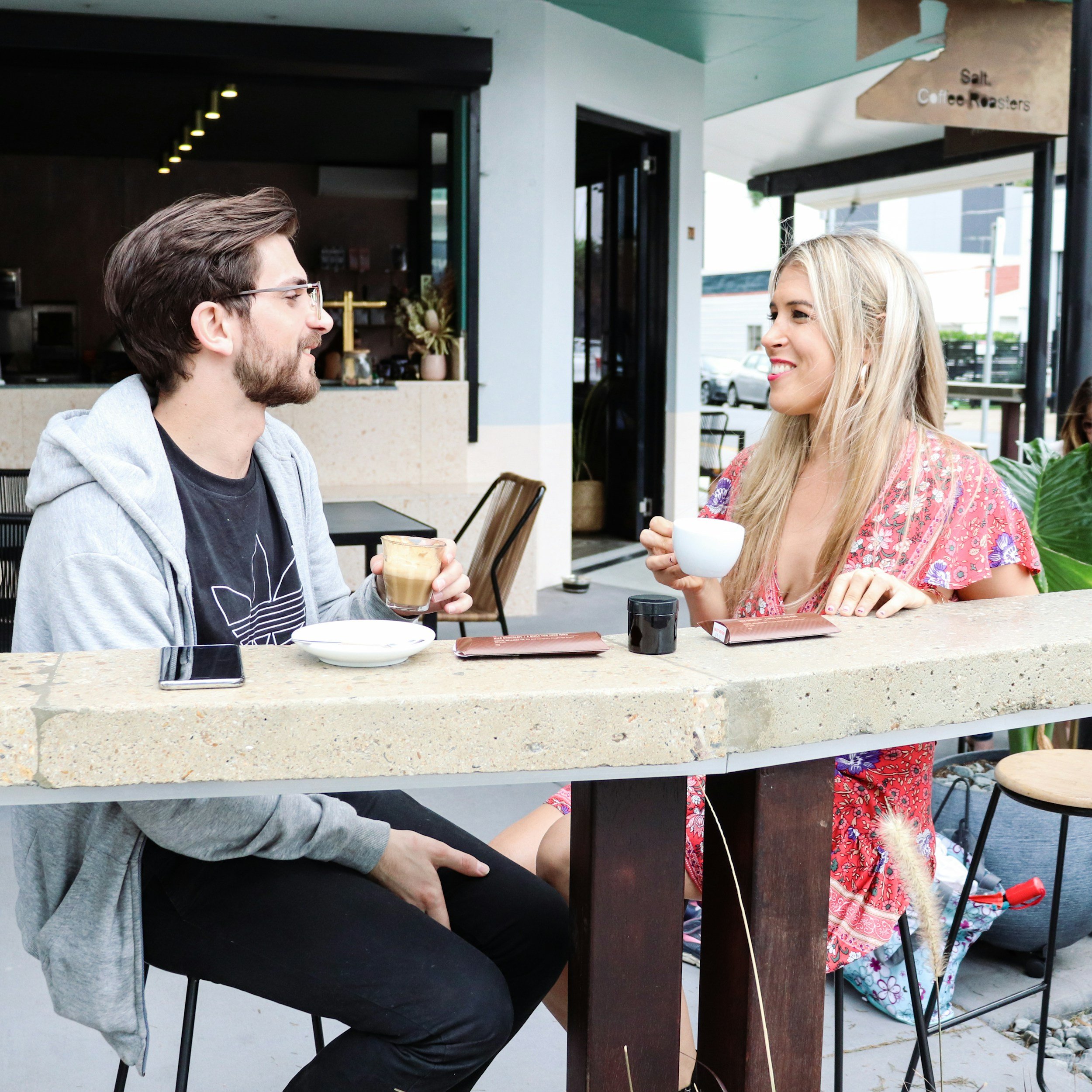
The "dos besos" — one kiss on each cheek, starting with the right — is the default greeting between women, and between men and women, once you've been introduced. Between two men it's usually a handshake unless they're close friends or family. Don't overthink the timing: it happens on arrival and again on goodbye, even if you were only chatting for ten minutes.
In professional settings, a handshake and "Buenos días" or "Buenas tardes" is the safer opener — save the besos for the second meeting once things feel more personal. What surprises most newcomers is how close Valencians stand during conversation compared to what feels natural in the UK, US, or Northern Europe. Resisting the urge to step back takes conscious effort at first.
Meal times will rearrange your whole day
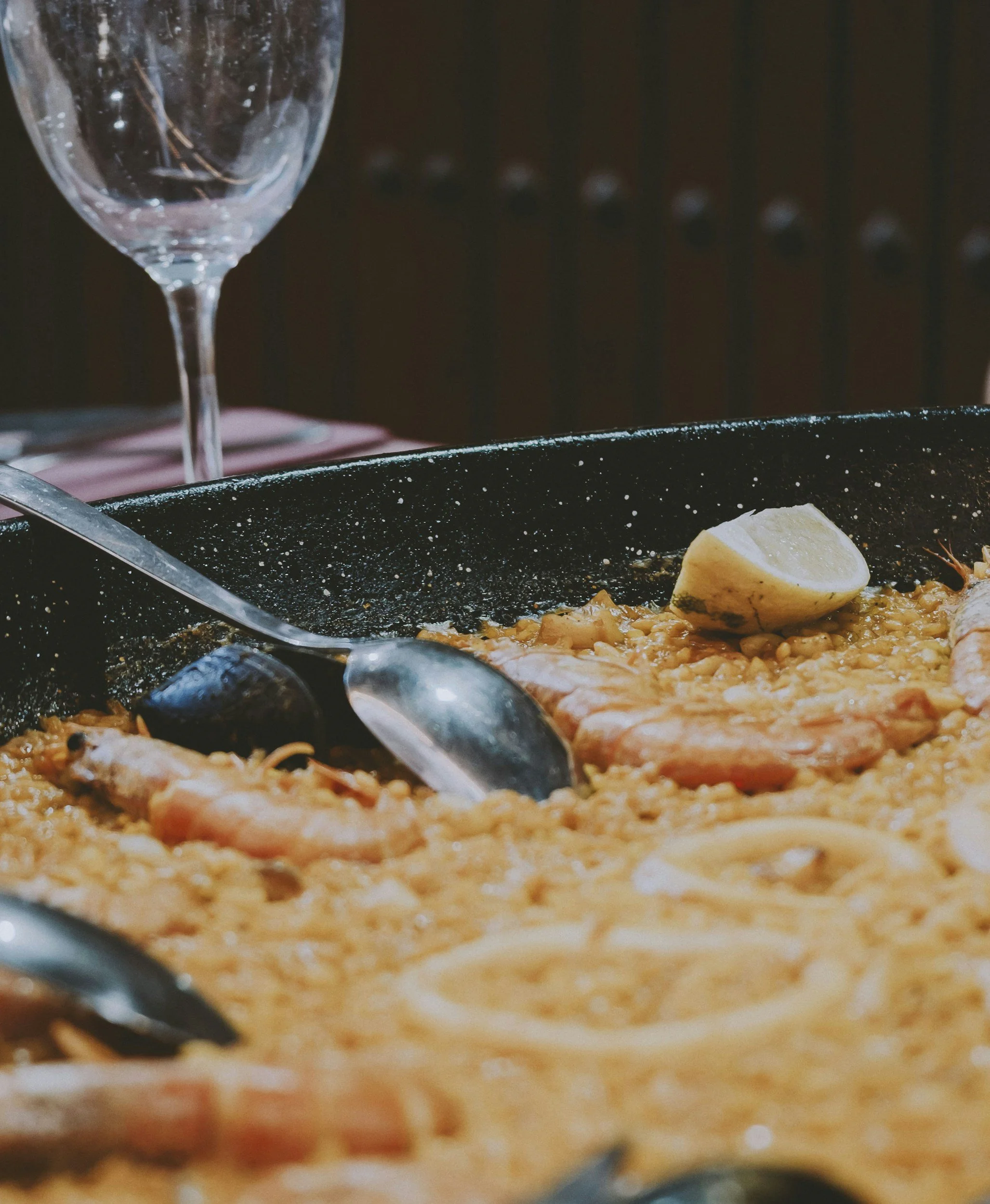
This is the one that catches almost everyone off guard: lunch (the main meal) runs 2-3:30pm, and restaurant kitchens often don't open for dinner before 8:30-9pm. Show up at a restaurant at 7pm expecting dinner and you'll likely find it shuttered or empty.
A few things worth knowing before your first dinner invitation:
If you're a guest in someone's home, wait for the host to say "buen provecho" before starting to eat.
Meals are long. Two hours at the table for a weekend lunch is completely normal, not a sign the host is running behind.
"Salud" is the toast — simple, no elaborate speech expected.
Menú del día (fixed lunch menu, usually 12-15€) is the best way to eat well and cheaply on weekdays, and ordering it is completely normal even solo.
Festivals: enthusiasm welcome, ignorance of the rules is not
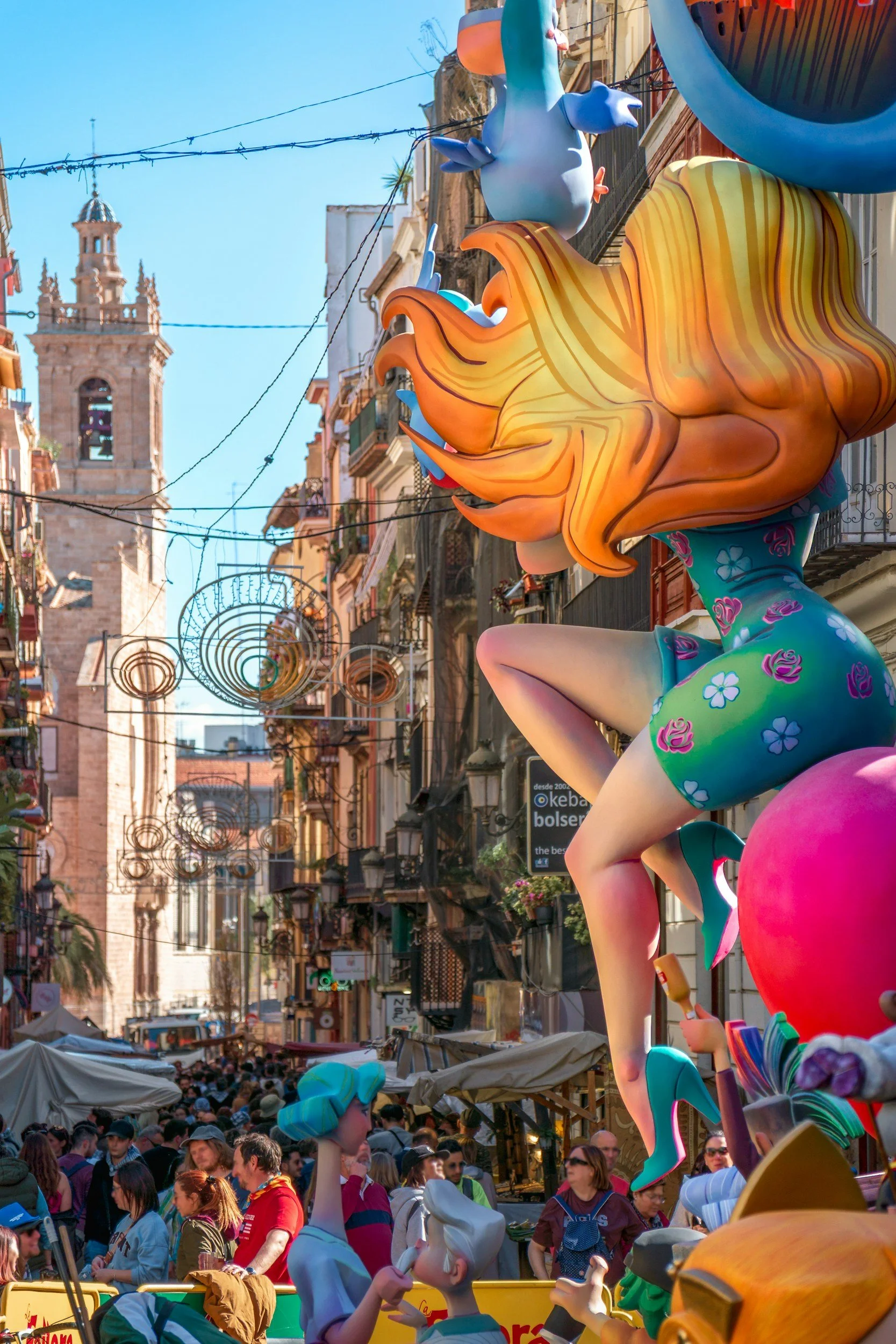
Las Fallas (March 15-19, with the main cremà — the burning of the monuments — on the night of March 19th) transforms the entire city, and as a newcomer it's tempting to treat it purely as spectacle. Locals will appreciate it if you understand it's also deeply personal: each neighborhood's casal faller (Fallas community) spends the whole year building their monument, and the fireworks (mascletà, at 2pm daily in Plaza del Ayuntamiento during the festival) are as much about the shared physical experience — the sound in your chest — as the visuals. Stand where locals stand, don't complain about the noise, and don't touch or climb on the monuments before they're burned.
La Tomatina happens in Buñol, about 40km west of Valencia city (plan for the train or a booked bus — it fills up), on the last Wednesday of August. Wear clothes you're ready to throw away, bring goggles, and know that the fighting stops the instant the second truck horn sounds — that's not a suggestion.
Getting around: the unwritten rules of Valencia's public transport and streets
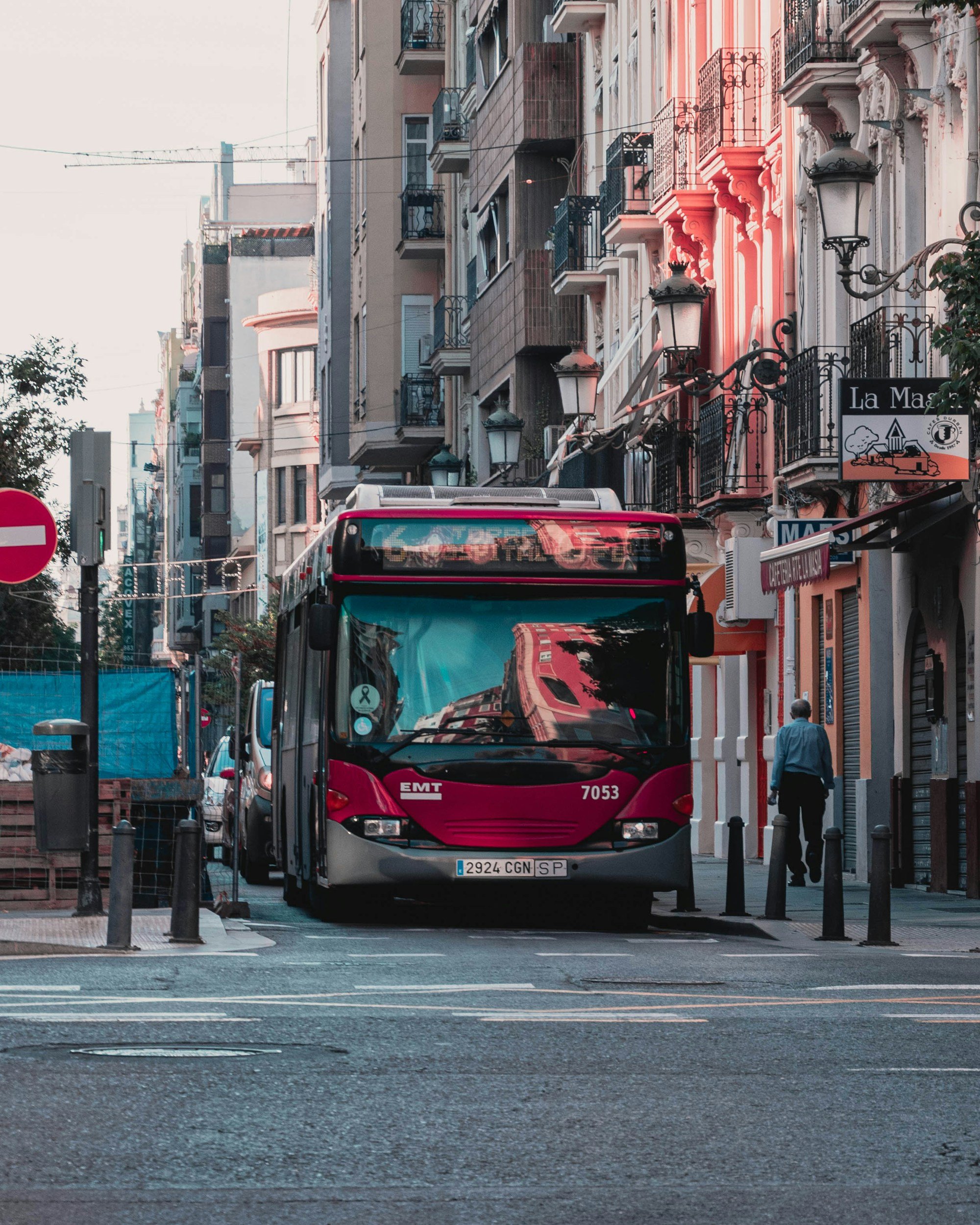
Let people off the bus, metro or tram before you board — this one gets ignored by tourists constantly and locals notice. Offer your seat to elderly passengers or anyone visibly pregnant without waiting to be asked. Validate your ticket every time; the fine for skipping it is far more than the ticket itself.
On foot, Valencia's bike lanes are physically part of the pavement in many areas, marked by color and paving texture rather than a curb — it's an easy mistake to wander into one without realizing, so get used to checking.
The bigger picture
None of this is about performing "correctness" — it's about not spending your first six months feeling like you're getting it wrong without knowing why. Most of what looks like rudeness or awkwardness between expats and locals in Valencia comes down to exactly these small, learnable things.
If you're planning your move and want more than a blog post's worth of guidance — on the visa, housing, and legal side of relocating — that's exactly what we do at Encantada World. Get in touch and we'll walk you through it.