

Looking for a Second Home on the Costa Blanca?
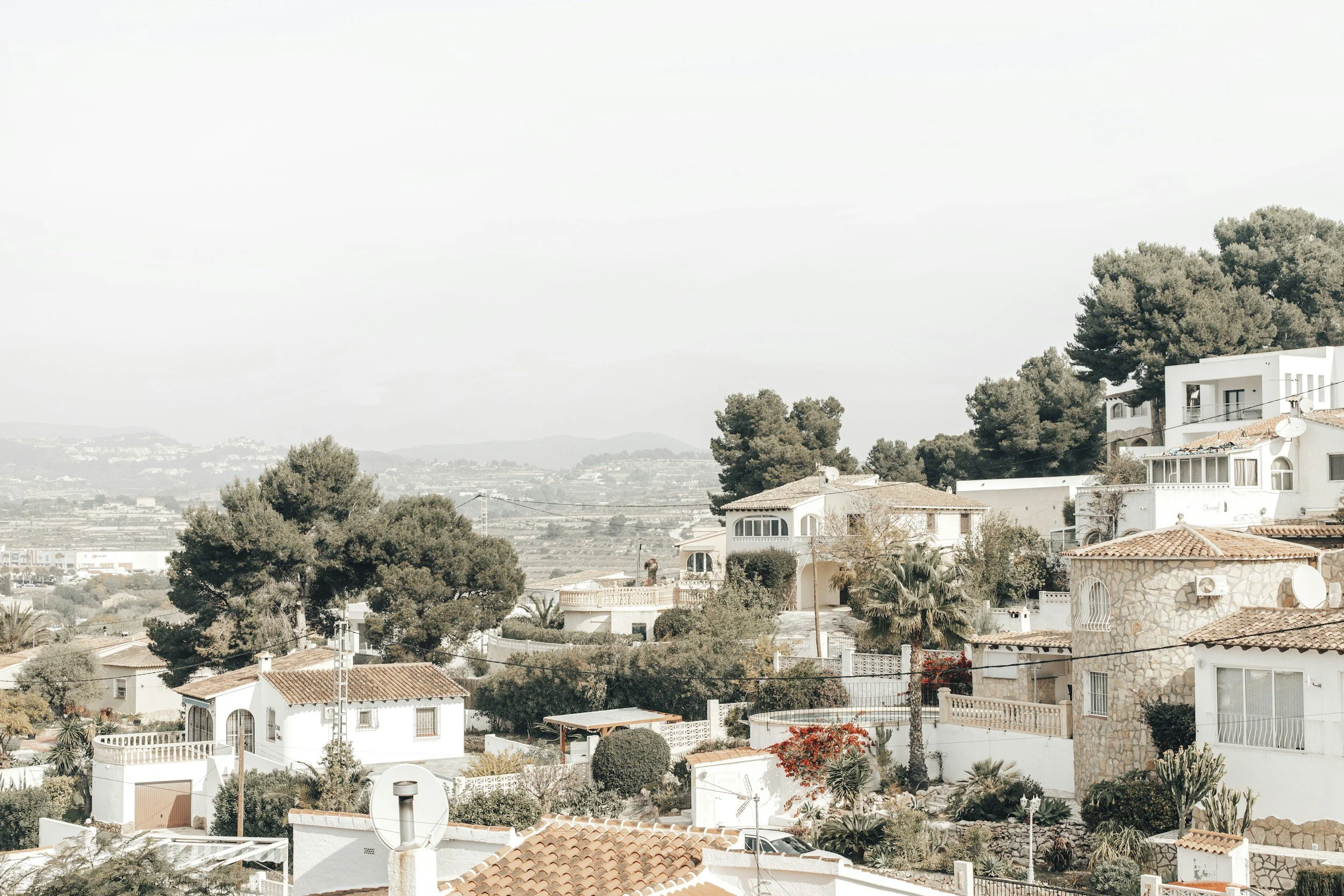
Hillside villas among pine trees, Costa Blanca
Ask someone who hasn't spent time here what the Costa Blanca is like, and you'll usually get one word back: beach. Ask someone who owns a home in Denia, Jávea or Moraira, and you'll get a very different answer — mountains at your back door, cycling routes that wind through orange groves, a food scene that rivals cities twice the size, and a community that feels lived-in year-round rather than shuttered every October.
For buyers considering a second home in Spain, the Costa Blanca North — the stretch running from Denia down through Jávea to Moraira — has quietly become one of the most compelling options on the Mediterranean. Here's why.
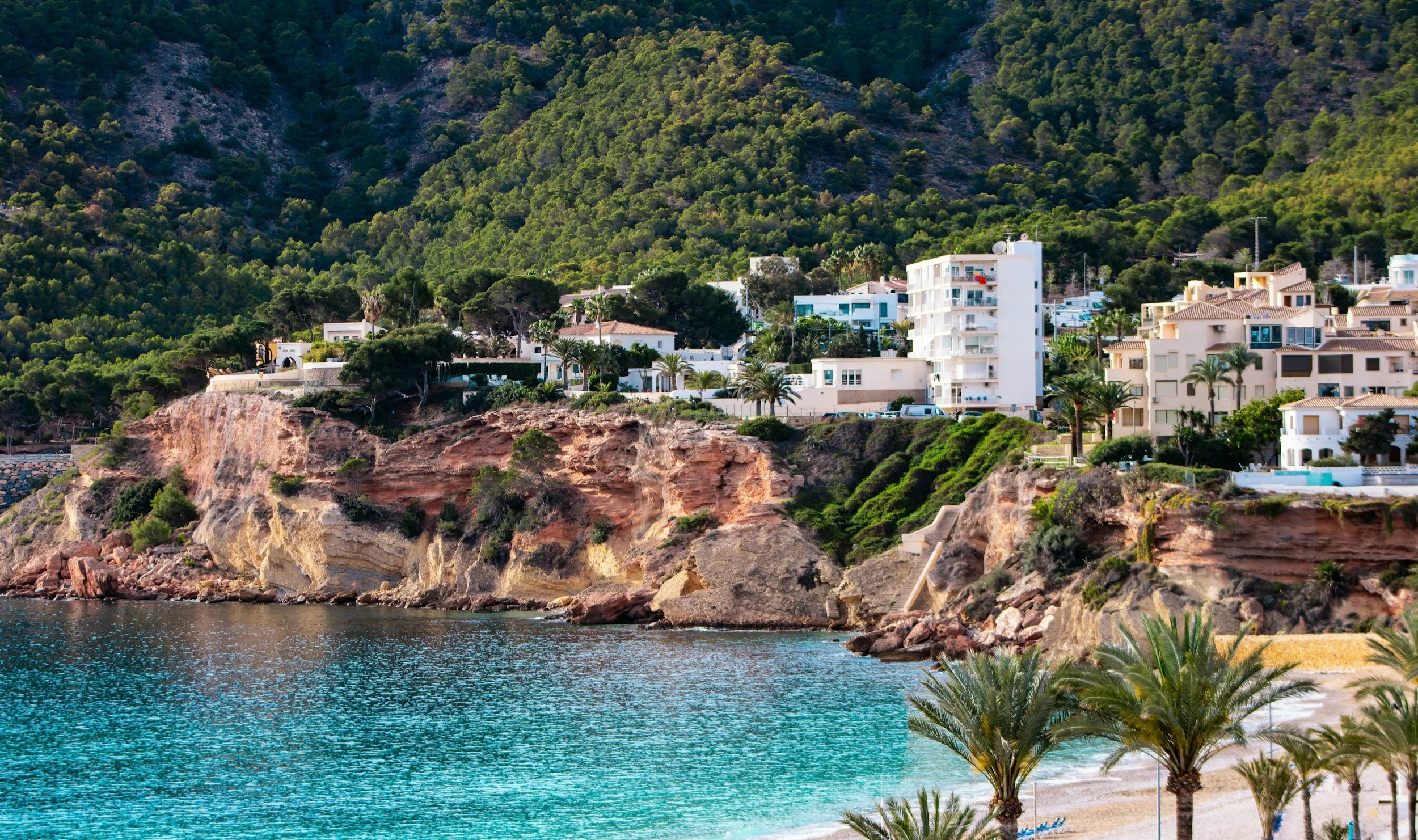
Views from El Portet, Moraira
Denia, Jávea, Moraira, Altea, Calpe: five towns, five characters
Denia is where value and lifestyle meet most generously right now. It's a proper working town — a fishing port, a historic castle, a real town centre — not a resort built for summer alone, which means prices still offer meaningfully more home for your budget than its glossier neighbours. It's also, somewhat surprisingly, a UNESCO Creative City of Gastronomy, home to Quique Dacosta's three-Michelin-starred restaurant and hundreds more that draw on the same red prawn and rice traditions.
Jávea (Xàbia) sits between Denia and Moraira and has long attracted a loyal, largely British and Northern European crowd drawn to its old town, its Arenal beach promenade, and the dramatic Cap de Sant Antoni and Cap de la Nao headlands. It carries more polish and, generally, a higher price tag than Denia — but for many buyers, that's exactly the trade they're looking to make.
Moraira is the most refined of the three: a smaller, more exclusive village feel, some of the region's most sought-after villas, and a marina and old town that stay elegant rather than commercial even at the height of summer. This is prime Costa Blanca real estate, and it's priced accordingly.
Altea, a little further south, is the quaint one — a hill town of whitewashed houses and narrow, winding streets that climb up to a blue-domed church overlooking the sea. It has long drawn artists and a bohemian crowd, and its old town remains genuinely charming rather than polished for tourists, with small galleries, plazas and tapas bars tucked into the cobbled lanes. For buyers who want character and a real sense of place over resort-style convenience, Altea is hard to beat.
Calpe is defined by the Peñón de Ifach, the dramatic limestone rock that rises straight out of the sea and anchors the town's skyline. It's a livelier, more built-up option than Altea or Moraira, with a proper working fishing harbour, long sandy beaches on either side of the rock, and a good year-round infrastructure of shops and restaurants. It tends to offer a more accessible price point for a beachfront lifestyle, while still being close enough to the quieter towns nearby for an easy day out.
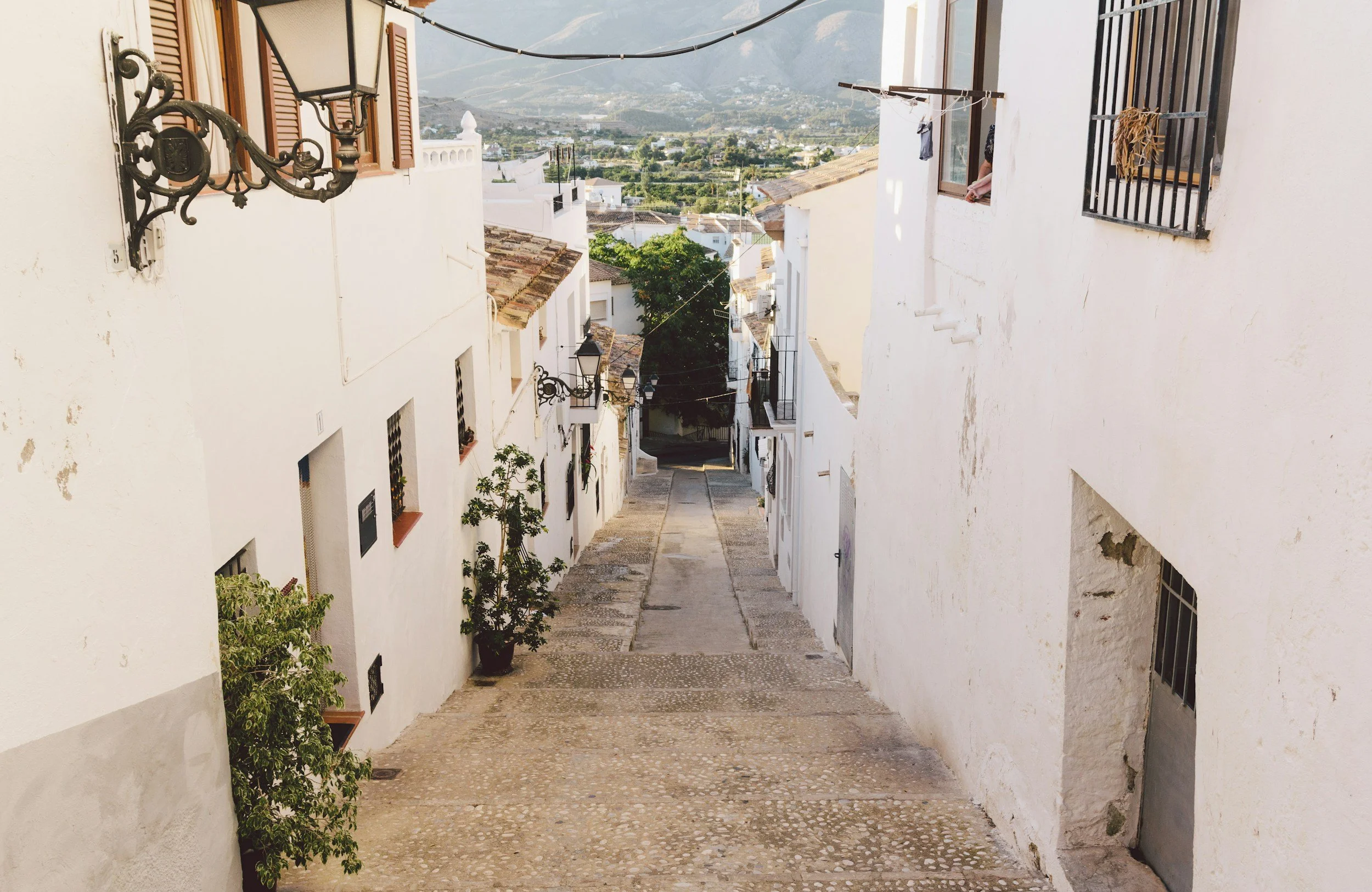
A quiet street in Altea's old town
It's not just a beach — it's a lifestyle
What surprises a lot of first-time visitors is how much of daily life here has nothing to do with the sea.
The Montgó Natural Park rises directly behind Denia, and its trails are as much a part of local life as the beach — a proper mountain, not a hill, with routes for a gentle morning walk or a serious hike. The old Via Verde greenway, a former railway line now paved for walking and cycling, threads through citrus groves from Denia inland, and the wider Marina Alta region has become a genuine draw for road cyclists, with quiet backroads climbing into the hills around Jalón and beyond.
This is part of why the area attracts such a particular kind of second-home buyer: people who want a coastal life, but an active one — golf, sailing, cycling, hiking — not just sunbeds.
Who's actually buying here
The Costa Blanca North has always had a strong domestic second-home market — plenty of families from Valencia and Madrid keep a home here, close enough for a weekend but a world away from city life. That local presence gives the towns a rhythm and authenticity that purely tourist-driven resorts often lack; these aren't ghost towns outside July and August.
Alongside that sits a well-established, year-round international community. The British and Dutch have had deep roots here for decades, with entire neighbourhoods where English and Dutch are spoken as comfortably as Spanish. More recently, American buyers have started arriving in growing numbers — drawn by the same combination of quality of life, climate and relative value that's always attracted Northern Europeans, but discovering it more recently as remote work and lifestyle-driven relocation have become more common.
Brian and Dona Appelgate, who bought their second home here from Los Angeles, put it this way:
"We could not be happier or more impressed with the Encantada team. They are first class professionals who navigated our Spanish visa process flawlessly despite both complexity on our end and a serious time constraint as well. The saying 'we couldn't have done it without them' is literal for us. From understanding our needs to locating and completing our property purchase with the seller's agent to translating documents for us, assisting in setting up a banking and an accountant and other references for us, and expediting many steps to make the deadline — there is no way we could have done this. They truly held our hands for the entire process."
— Brian & Dona Appelgate, Los Angeles, California
Remarkably well connected
For a region that feels this relaxed, the Costa Blanca North is unusually well connected.
Valencia city and its airport are roughly an hour's drive north; Alicante, with one of Spain's busiest airports and direct routes across Europe and beyond, is about an hour to the south. And for island-hoppers, Denia's port is the closest mainland gateway to the Balearics, with regular Baleària ferries to Ibiza and Formentera in around two hours, and onward to Mallorca — a genuinely useful thing to have on your doorstep, whether for a day trip or a summer of island weekends.
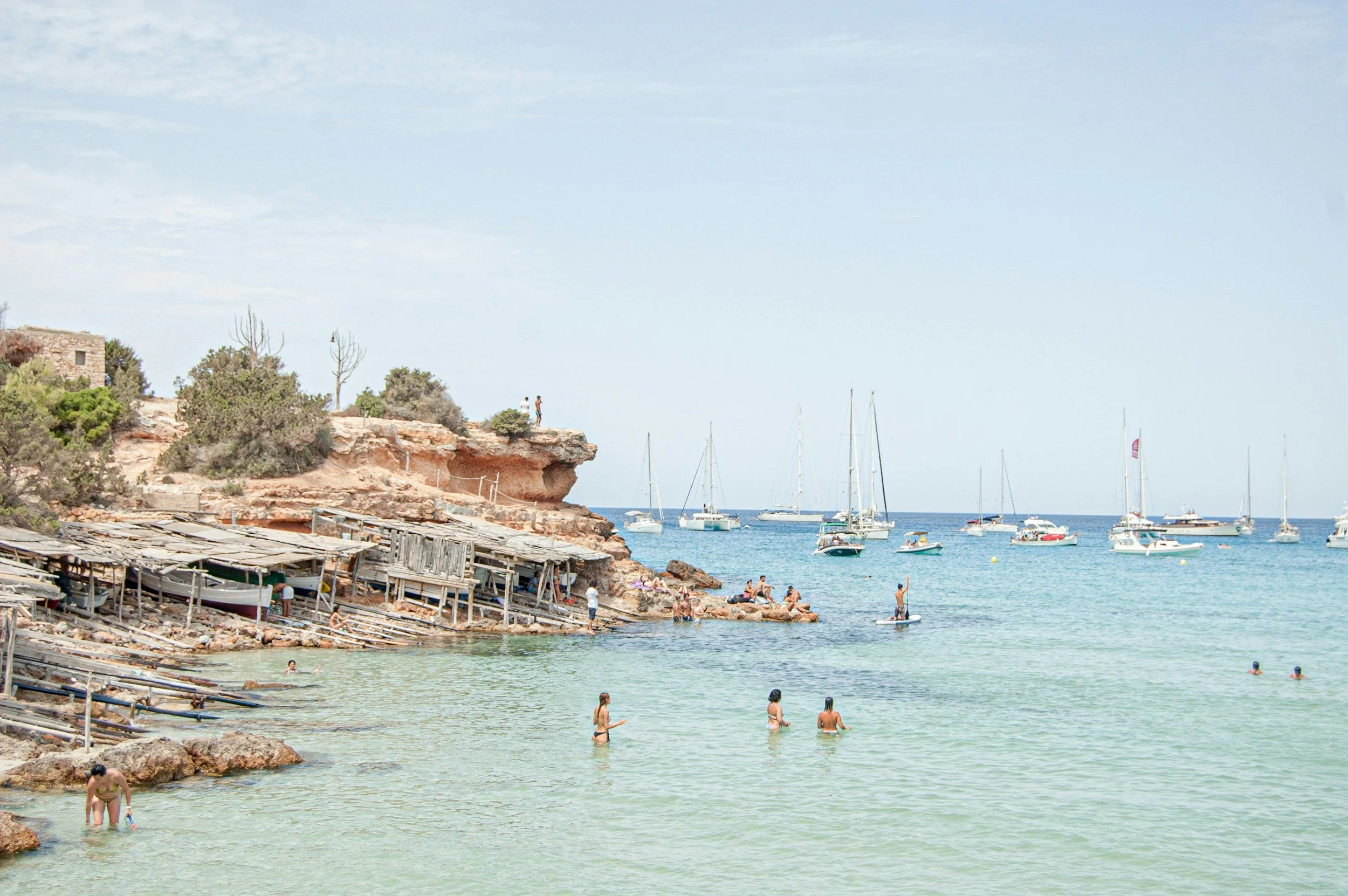
Formentera — just a short ferry ride from Dénia's port
A growing food scene, well beyond Denia
Denia's UNESCO gastronomy status isn't a marketing line — it reflects a genuinely deep food culture, from Michelin-starred dining down to unpretentious harbourside restaurants serving the day's catch. And the momentum isn't limited to Denia itself: Alicante's own culinary scene has been building steadily, with a new generation of chefs and restaurants giving the city a food identity increasingly worth travelling for in its own right. For anyone who treats good food as a non-negotiable part of daily life, this stretch of coast delivers well beyond what its size would suggest.
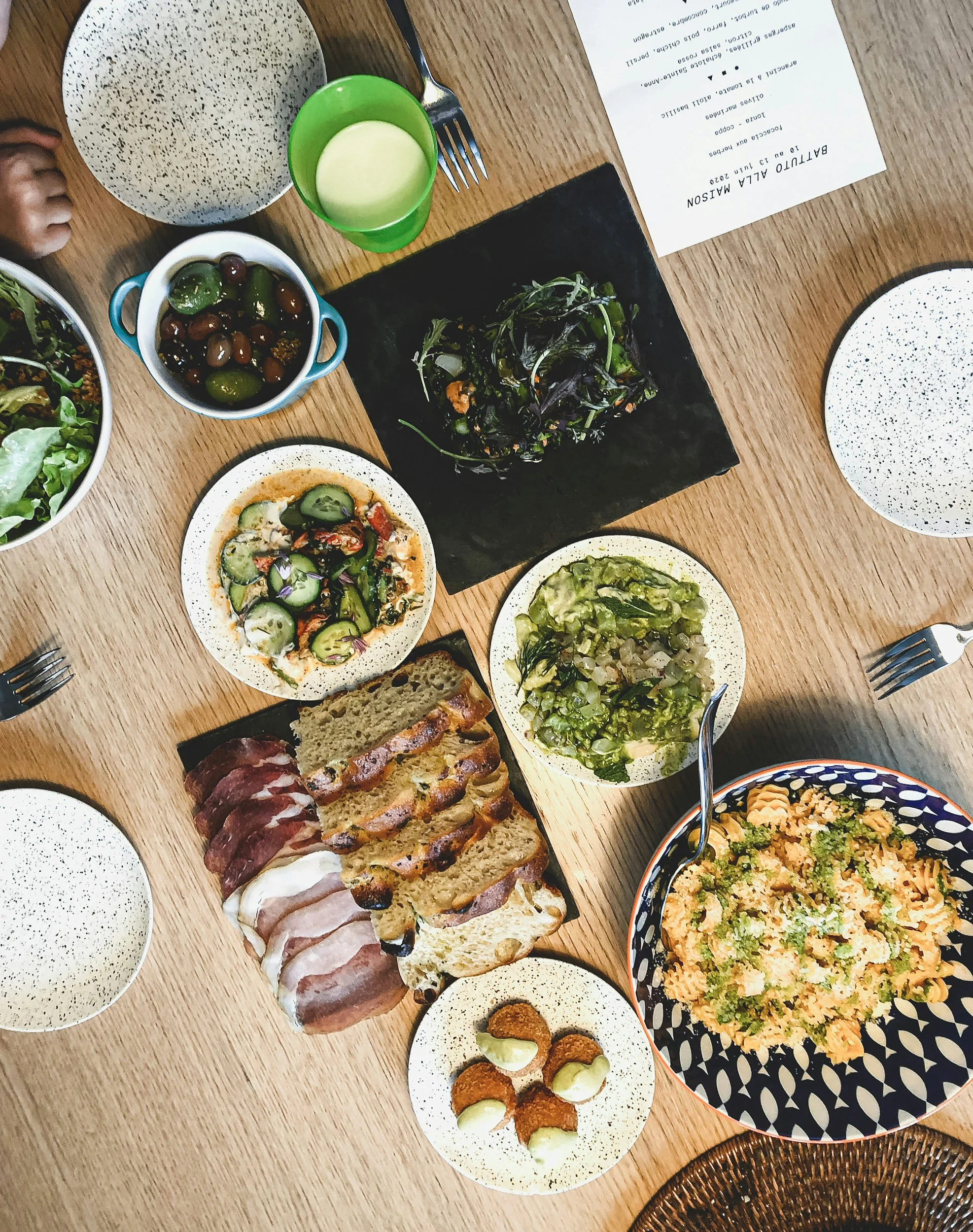
Mediterranean sharing plates and tapas-style dining
Finding the right home in the right town
Denia, Jávea, Moraira, Altea and Calpe may sit within a short drive of one another, but they suit genuinely different kinds of buyers — and the right choice often comes down to details that aren't obvious from a portal listing: which streets stay quiet in August, which developments have the best resale history, which villages give you mountain access without sacrificing an easy run to the beach.
If you're weighing up a second home on the Costa Blanca and want an honest, informed steer on where might suit you best, we're happy to talk it through — as one client, Robert Pickering, told us after buying his own second home and securing Spanish residence with our help:
"Stephanie and Maria from Encantada have been absolutely wonderful from start to finish with buying property and getting residence in Spain. They have been invaluable in everything from banking to purchase to property management. Their expertise and connections are bar none. They take the time to work with your individual's needs, goals and dreams and make them come true! We couldn't be happier!"
— Robert Pickering
Thinking about a second home on the Costa Blanca? Get in touch — we'd love to help you find the right spot.
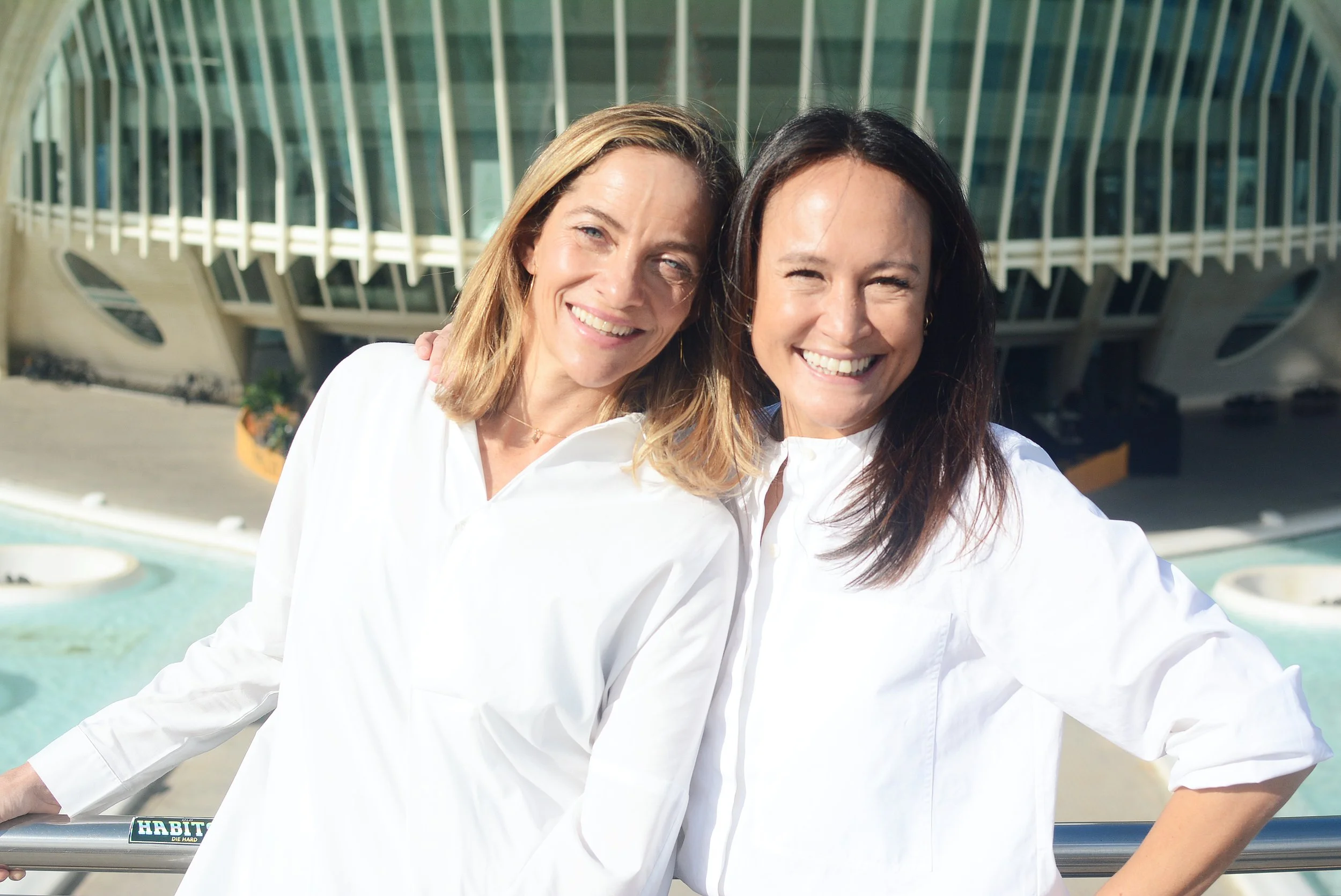
Stephanie and Maria — the team behind Encantada